Aluminum Can Sourcing: What to Confirm Before Placing a Bulk Order
Ordering aluminum cans in bulk is rarely just a matter of choosing a size and asking for a price.
For beverage manufacturers, importers and private-label brands, several details need to be settled before production starts. The can must work with the filling and seaming equipment, the internal coating must suit the product, the artwork must be production-ready, and the order quantity and delivery schedule must fit the launch plan.
A quotation can look competitive and still become expensive if these points are not confirmed early.
1. Define the Can Around the Product
The first step is to identify what will actually go inside the can.
Beer, soda, juice, coffee and functional beverages may use similar aluminum can formats, but the packaging requirements are not necessarily identical. Product formulation, filling method and expected shelf life can all influence the choice of can and internal coating.
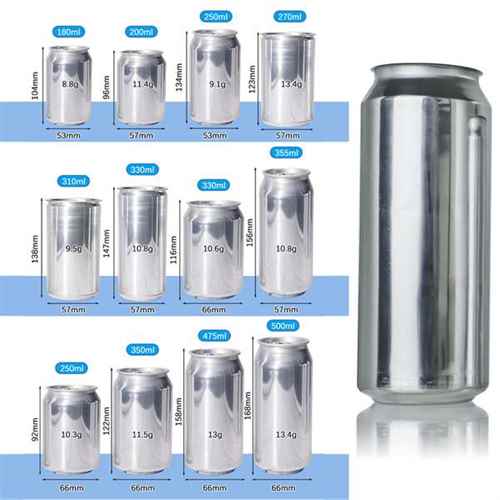
Creative Package supplies aluminum beverage cans for applications including beer, carbonated drinks, juice, coffee and functional beverages. Available formats include Standard, Sleek and Slim cans, with capacities covering common beverage sizes from 250ml to 500ml.
Before requesting a quotation, buyers should prepare:
- Beverage type
- Target fill volume
- Required can format
- Filling method
- Existing filling and seaming equipment
- Estimated order quantity
- Destination market
The more complete the initial specification, the less likely it is that the quotation will need to be revised later.
2. Separate Can Body Specifications From Can-End Specifications
One common sourcing mistake is treating the can as a single specification.
The body and the end need to be considered separately.
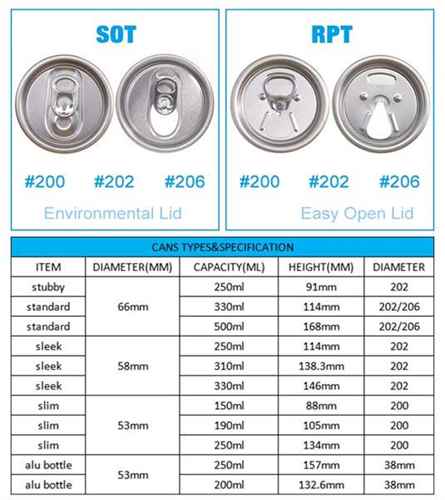
For example, aluminum beverage cans may use 202# or 206# ends, while opening styles can include SOT or EOE depending on the product and production setup. The selected end needs to match the can body and the buyer's seaming equipment.
For an RFQ, it is better to specify:
Can body
- Capacity
- Diameter
- Height
- Standard, Sleek or Slim format
Can end
- End diameter
- Opening style
- Pull-tab requirements
- Seaming compatibility
Two cans with the same nominal capacity may still require different production settings.
Confirming the end specification before ordering is therefore much safer than selecting it after the body has already been approved.
 |  |
|---|
3. Food-Contact Compliance Should Be Documented
For beverage packaging, saying that an aluminum can is “food grade” is only the starting point.
The internal coating is directly related to the product-contact surface. Buyers should ask what coating is used and which documents are available for the intended market.
For the aluminum can program described in the source material, the internal coating is specified as BPA-free. A BPA test report, incoming-material Certificate of Analysis (COA), coating adhesion testing and batch retention procedures are also part of the documented quality process.
The original specification records a BPA test report, ZTS25012103ERC, issued in February 2025, covering the aluminum can coating against several EU food-contact requirements.
For a real purchasing project, buyers should still request the current documentation applicable to their destination market and product.
The important point is simple: do not treat a compliance statement and compliance evidence as the same thing.
4. Choose the Decoration Method Before Mass Production
Aluminum cans offer strong opportunities for brand presentation, but decoration should be considered together with order quantity and production timing.
Depending on the project, buyers may use:
- Direct can printing
- Full-color printing
- White-base printing
- UV printing
- Shrink sleeves
- Self-adhesive labels
- Matte or glossy finishes
Creative Package currently offers aluminum cans with custom printing and color coating options for wholesale and OEM applications.
The artwork process should be fixed before mass production.
A typical approval sequence includes:
Artwork → Proof → Sample Approval → Mass Production
This is especially important for products with multiple SKUs. Approving the artwork after production begins can lead to unnecessary delays or additional production costs.
5. MOQ Can Affect the Entire Sourcing Strategy
Aluminum cans are generally produced for relatively large-volume orders.
Creative Package's current aluminum can listings show an MOQ of 100,000 pieces for several standard beverage can products.
This matters when launching a new beverage.
A buyer should calculate the expected demand before selecting the final packaging format. A large MOQ may be reasonable for an established beverage brand but less convenient for a new product with uncertain demand.
Instead of asking only:
“What is your MOQ?”
it is more useful to ask:
- What quantity qualifies for the standard production price?
- Can blank cans and printed cans have different requirements?
- What is the sample or trial-order arrangement?
- How does the price change with larger quantities?
- Can several SKUs be produced under the same program?
This gives the buyer a better understanding of the actual purchasing threshold.
6. Lead Time Should Be Checked Against the Launch Date
Production lead time is not useful as a standalone number.
The real question is whether the cans can arrive before filling and distribution begin.
The source specification provides different lead-time brackets for different quantities, with shorter schedules for smaller orders and negotiated arrangements for higher volumes. These figures should be reconfirmed against the final can format, decoration and production schedule before placing an order.
A buyer should therefore work backward from the planned launch date:
Market launch → Filling → Can delivery → Production → Artwork approval → Specification confirmation
This approach is more reliable than simply adding a supplier's quoted lead time to the purchase date.
Shipping should also be included in the calculation. Export packaging, port handling and ocean transit can all affect the final arrival date.
7. Do Not Leave Quality Inspection Until the End
Quality control is more effective when the acceptance criteria are decided before production.
For an aluminum can project, the inspection plan may cover:
- Can dimensions
- Weight
- Surface appearance
- Printing quality
- Coating condition
- Can-end installation
- Sealing performance
- Packaging condition
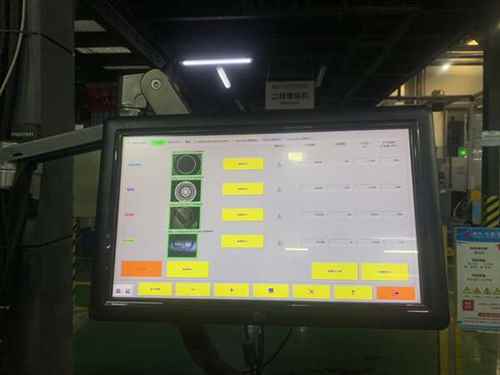
The source specification describes pre-shipment inspection, test reports, coating adhesion testing and 100% airtightness testing as part of the quality process.
For buyers, the practical lesson is to agree on the inspection items and acceptance criteria before production starts.
That creates a common reference for both sides if a quality issue appears later.
8. Aluminum Can Sourcing Requires More Than One Document
A professional RFQ package should contain enough information for the supplier to quote the same product that the buyer actually needs.
A useful RFQ can include:
| Item | Information |
|---|---|
| Beverage | Beer, soda, juice, coffee, etc. |
| Capacity | 250ml / 330ml / 355ml / 473ml / 500ml |
| Can type | Standard / Sleek / Slim |
| End | 202# / 206# |
| Opening | SOT / EOE / other |
| Coating | Required food-contact specification |
| Decoration | Printing / sleeve / label |
| Finish | Matte / glossy |
| Quantity | Trial and bulk volume |
| Destination | Country / port |
| Delivery | Required arrival date |
| Artwork | Available / under development |
This also makes supplier comparison much easier.
If three suppliers receive three different versions of the same inquiry, their quotations are difficult to compare.
9. Aluminum Cans vs. Other Metal Packaging
The term “metal can” is sometimes used broadly in international sourcing.
However, aluminum beverage cans and tinplate cans are not interchangeable products.
Aluminum beverage cans are commonly used for beer, soda, juice, coffee and other drinks where lightweight construction, sealing performance and efficient filling are important. Creative Package also supplies tin cans and other metal packaging products, so buyers should identify the required material before requesting a quotation.
This is particularly important when searching online.
Terms such as:
- Aluminum can
- Beverage can
- Beer can
- Soda can
- Metal can
- Tin can
may lead to different product categories.
The material should therefore be stated clearly in the RFQ rather than relying on a general product name.
10. A Simple Pre-Order Checklist
Before confirming a bulk aluminum can order, buyers can use the following checklist:
Product
- Is the capacity correct?
- Is the can body suitable for the beverage?
- Is the Standard, Sleek or Slim format appropriate?
Production
- Does the can match the filling line?
- Is the end compatible with the seamer?
- Has the internal coating been confirmed?
Decoration
- Has the printing method been selected?
- Has the artwork been approved?
- Has the finished appearance been sampled?
Compliance
- Are the required food-contact documents available?
- Is the coating suitable for the target market?
- Are test reports or COAs available?
Commercial
- Does the order meet the MOQ?
- What is the confirmed lead time?
- Which Incoterm will be used?
- What are the payment terms?
Quality
- What will be inspected?
- When will inspection take place?
- What acceptance criteria will apply?
- Will a pre-shipment report be provided?
These questions are straightforward, but answering them before production can eliminate many of the problems that become difficult to solve once the cans have been manufactured.
11. Building a More Reliable Aluminum Can Purchase
The best aluminum can sourcing process is not necessarily the one with the shortest quotation or the lowest unit price.
It is the one where the product specification, compliance documents, decoration, production quantity, inspection plan and delivery schedule are agreed before production begins.
Creative Package provides aluminum beverage cans in different formats and capacities, with custom printing, color coating and OEM options for beverage brands and wholesale buyers. The company's current product range includes Standard, Sleek and Slim aluminum cans, while its metal packaging category also includes tin cans and easy-open ends.
For a new beverage project, the practical approach is simple:
Define the product → confirm the can → check compliance → approve the artwork → confirm MOQ and lead time → agree inspection → start production.
A clear specification at the beginning makes the rest of the aluminum can sourcing process much easier to manage.