How to Evaluate an Aluminum Can Supplier Before Bulk Ordering
Choosing an aluminum can supplier is not simply a matter of comparing unit prices. For beverage brands, distributors and contract manufacturers, the more important questions are whether the cans match the filling line, whether the material and inner coating are suitable for the product, and whether the supplier can maintain consistent quality during bulk production.
A supplier may have the right can size in its catalogue, but that does not necessarily mean the cans are suitable for your production process.
Before placing a large aluminum can order, buyers should look at several practical points.
1. Start With the Filling Line, Not the Catalogue
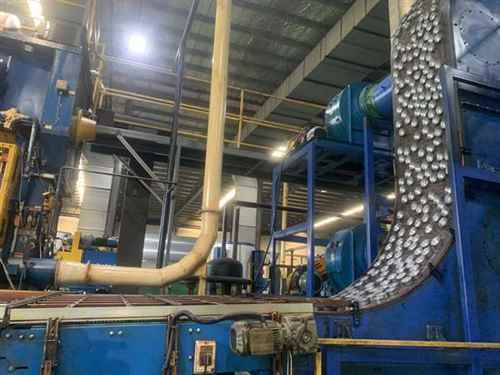
The first specification to confirm is compatibility with your filling and seaming equipment.
Aluminum beverage cans are available in different body diameters, heights, capacities and shapes. Standard cans and slim or sleek formats can look similar in a product catalogue while requiring different production and filling configurations.
For example, Creative Package supplies aluminum cans in different capacities and body formats, including standard and slim options. Its current product range covers beverage applications such as beer, sparkling drinks, coffee, juice and other ready-to-drink products.
Before requesting a quotation, buyers should provide:
- Required filling volume
- Can diameter and height
- Can body type
- Can-end specification
- Existing filling and seaming equipment
- Expected annual or first-order quantity
This information gives the supplier a much clearer basis for recommending a suitable can.
2. Check the Internal Coating for the Actual Beverage
The aluminum body is only one part of the packaging system. The internal protective layer also needs to be considered.
Different beverages can interact differently with packaging materials. Carbonated drinks, fruit beverages, coffee, plant-based drinks and other formulations may require different levels of protection against corrosion or changes in taste.
Creative Package's aluminum cans use an internal protective coating designed to separate the beverage from the aluminum surface. The company also describes its cans as food-grade and suitable for direct food and beverage contact.
For a new project, buyers should ask the supplier to confirm:
- Aluminum material specification
- Internal coating type
- Food-contact documentation
- Coating compatibility with the beverage
- Coating inspection or adhesion testing
- Required certificates for the destination market
These details are more useful than simply asking whether a can is “food grade.”
3. Decide How Much Decoration You Actually Need
Printed aluminum cans can create strong shelf impact, but the decoration method should be selected according to the product and order volume.
Depending on the project, buyers may consider direct printing, color coating, silk screen printing or labels. Creative Package supports custom color coating, logo printing and label printing for its aluminum packaging products.
The artwork should be discussed before mass production rather than after the can specification has been finalized.
A professional quotation should ideally clarify:
- Printing method
- Number of colors
- Pantone requirements
- Matte or glossy finish
- Printing area
- Artwork format
- Sample approval process
For a new beverage launch, it is also useful to approve a physical sample before committing to the full production quantity.
4. Look at the Can-End and Sealing System
A beverage can is a complete packaging system. The body, neck and can end need to work together.
Easy-open ends are available in different designs, and the selected end must match the can body and seaming equipment. Creative Package supplies aluminum cans with multiple easy-open lid options and describes the can structure as including a matched can body, standard caliber and easy-open lid.
For buyers, the key questions are not only “Which lid do you have?” but:
- Does the end match our can diameter?
- Is it compatible with our seamer?
- What opening style is required?
- Is the end suitable for carbonated products?
- How is sealing performance checked?
Confirming these points before production can prevent costly line adjustments later.
5. Ask How the Supplier Handles Bulk Production
Sample quality and mass-production quality are not always the same.
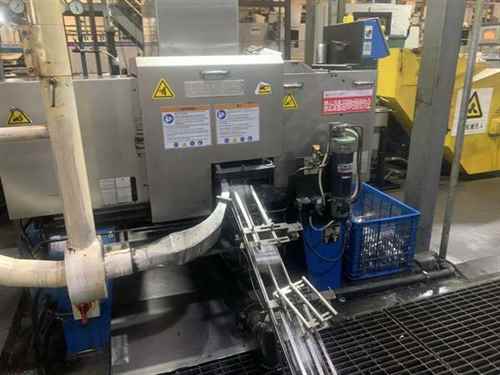
A supplier should be able to explain how incoming materials, forming, coating, printing and finished cans are inspected during production.
Creative Package describes its metal packaging operation as supported by automated production lines and a quality-control system. The company also provides samples for testing before bulk wholesale orders.
For a new supplier, buyers can request information about:
- Incoming material inspection
- Can body forming inspection
- Coating inspection
- Printing and color inspection
- Dimensions and weight
- Sealing performance
- Finished-product sampling
- Batch traceability
The goal is not to collect as many certificates as possible. It is to understand whether the supplier has a repeatable process for keeping bulk production consistent.
6. Compare MOQ and Delivery Against Your Launch Plan
Minimum order quantity is another important consideration.
Aluminum beverage cans are generally produced for large-volume applications, and Creative Package lists 100,000 pieces as the MOQ for several aluminum can products. At the same time, the company also states that stock items can be arranged for faster delivery, while custom printed orders require a longer production schedule.
This distinction matters when planning a new product launch.
A buyer should separate three quantities:
Sample quantity:
Used for testing dimensions, appearance, filling and sealing.
First production quantity:
The volume required for the initial market launch.
Regular order quantity:
The expected volume after the product enters stable production.
A supplier that can clearly explain MOQ, stock availability and custom production lead time makes production planning much easier.
7. Consider Whether One Supplier Can Support More Than One Packaging Need
For brands with several product lines, supplier consolidation can sometimes be more valuable than finding the lowest price for one SKU.
Creative Package Group operates across glass, plastic and metal packaging, with product categories including glass bottles, glass jars, PET preforms, aluminum cans and other packaging components. Its three production bases cover glass, plastic and metal packaging.
This type of structure can be useful for companies sourcing different packaging formats for the same product portfolio.
For example, a beverage company may require:
- Aluminum cans for carbonated drinks
- Glass bottles for premium beverages
- PET preforms for high-volume bottled products
- Metal or plastic closures for related packaging
Working with a supplier that understands multiple packaging materials can simplify communication, sampling and purchasing when several formats are being developed at the same time.
8. What Should Be Included in an Aluminum Can RFQ?
A detailed RFQ makes supplier comparison much easier.
Instead of sending only “330ml aluminum cans, please quote,” buyers should provide as much of the following information as possible:
| Item | Information to Provide |
|---|---|
| Product | Beverage type |
| Capacity | Required fill volume |
| Can type | Standard / Slim / Sleek |
| Diameter | Required body diameter |
| Height | Target can height |
| Can end | Required end type |
| Coating | Beverage-compatible internal coating |
| Printing | Blank / custom printing / label |
| Artwork | Available or to be developed |
| Quantity | Sample and bulk quantity |
| Destination | Country and delivery port |
| Shipping | FOB / CIF / other |
| Timing | Target production and delivery date |
This gives the supplier enough information to identify potential compatibility issues before the quotation stage.
9. A Practical Way to Compare Suppliers
When comparing aluminum can manufacturers, price should be only one part of the evaluation.
A simple supplier comparison can include five categories:
Technical fit
Does the can match the filling and seaming equipment?
Material suitability
Is the aluminum and internal coating appropriate for the beverage?
Production capability
Can the supplier support the required quantity and customization?
Quality control
Are inspection procedures and sample approvals clearly defined?
Commercial terms
Are MOQ, lead time, packaging and shipping terms suitable for the project?
A slightly higher unit price may still be more competitive if the supplier reduces production adjustments, rejects, packaging problems or delivery delays.
10. Choosing an Aluminum Can Supplier for Long-Term Supply
For an initial order, the most important question is whether the supplier can produce the required can correctly.
For long-term supply, the question becomes broader: can the supplier maintain the same specifications, appearance and performance across repeated orders?
Creative Package provides aluminum beverage cans for wholesale and OEM applications, with options for different capacities, body formats, coatings, printing and easy-open lids. The company also supports customized packaging and sample testing before bulk orders.
For buyers developing a new beverage product, this makes the qualification process more straightforward: define the beverage first, confirm the can and end specifications, approve the sample, then finalize printing, quantity and delivery requirements.
The right aluminum can supplier is not necessarily the one with the longest product list or the lowest quotation. It is the supplier that can connect the can specification, filling process, quality requirements and commercial plan into one workable production program.

Final Checklist Before Placing an Order
Before confirming an aluminum can supplier, make sure you have answers to these questions:
- Does the can fit our filling and seaming equipment?
- Is the internal coating suitable for our beverage?
- Which can-end specification should we use?
- Has the artwork and printing method been approved?
- Has a physical sample been tested?
- What is the confirmed MOQ?
- What is the production lead time?
- How will bulk quality be inspected?
- How will the cans be packed for transportation?
- Are the shipping terms suitable for our destination?
Getting these answers before production can prevent many of the problems that only become expensive after a container has already been manufactured.
For beverage brands, distributors and food manufacturers looking for aluminum beverage cans, Creative Package provides standard and slim can options, custom printing, food-grade materials and OEM packaging support for different beverage applications.