Sourcing Glass Candle Jars: How to Vet Factories Before Cutting a PO
Most candle brands start sourcing glass vessels backward. They pick a silhouette from a glossy catalog, request unit pricing, and only discover during pouring trials that the base is too thin for a three-wick burn, the rim won't hold a wooden lid gasket, or the matte spray blisters under heat.
Unit price is the last variable that matters if a pallet arrives with uneven wall distribution or fails thermal shock testing. To build a supplier shortlist you can actually defend to your operations team, shift your evaluation from catalog aesthetics to four measurable factory controls: vessel engineering, decoration durability, compliance documentation, and production scheduling.
1. Why Catalog Photos Hide Critical Glass Risks
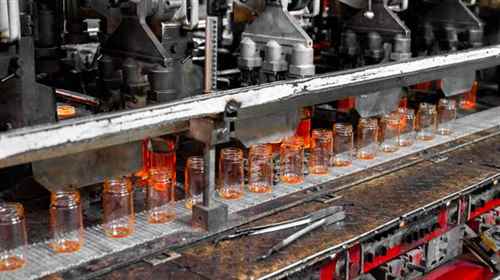
A standard product photo shows color and profile, but it hides the furnace and annealing variables that dictate whether a vessel survives production and retail handling:
- Wall & Base Distribution: Uneven glass distribution creates localized hot spots. When a multi-wick candle burns down to the bottom quarter, an inconsistent base can crack without warning.
- Annealing Quality: Glass must cool at a controlled rate in the annealing lehr to relieve internal stress. Poorly annealed jars might look flawless in the box, only to shatter when hit with 175°F (80°C) melted soy or coconut wax.
- Rim & Neck Tolerances: Candle vessels rely on press-fit lids (bamboo, metal, cork, or glass) with silicone gaskets. If rim ovality or diameter drifts by even a millimeter across molds, lids either pop off in transit or require excessive force to seat.
Before asking any factory for a quote, lock down a six-point technical brief so every vendor is bidding on the exact same vessel:
- Target Fill Weight & Headspace: Measured in actual wax grams/ounces rather than vague "medium/large" labels.
- Exact Geometry: Outer diameter, total height, minimum base thickness, and rim finish style.
- Color & Surface Spec: Flint (clear), amber, solid-colored glass, or external-only spray/frosting.
- Thermal Profile: Maximum wax pour temperature and wick configuration (single vs. multi-wick).
- Closure Pairing: Lid material, gasket type, and whether the supplier is responsible for fitment testing.
- Destination Market: Required compliance standards (e.g., EU packaging waste rules, heavy metal limits).
2. Regulatory & Customs Realities for Glass Vessels
Even though candle vessels are not food-contact packaging, regulatory compliance still shapes supplier selection—especially if you sell into Europe or North America:
- EU Packaging Rules (PPWR): Under Regulation (EU) 2025/40 on Packaging and Packaging Waste, brands placing packaged goods on the EU market face stricter rules around recyclability design and minimizing unnecessary packaging weight. Heavy, over-engineered glass bases are increasingly scrutinized for material efficiency.
- Heavy Metals & Surface Coatings: Buyers in the US and EU routinely require verification that lead and cadmium levels in both the glass substrate and external decorative inks/sprays fall well below strict thresholds (such as California Prop 65 or EU REACH standards).
- Food-Plant Discipline as a Proxy: Factories that also manufacture food and beverage glass (such as jam, coffee, or condiment jars under FDA or EC 1935/2004 frameworks) generally maintain tighter inline optical inspection and annealing logs than purely decorative glassware workshops.
- Customs Classification: Standard glass jars typically ship under HS Heading 7010 (specifically subheading 7010.90 for standard commercial containers). Confirm the exact subheading with your supplier and freight forwarder early to avoid tariff surprises at port.
3. Five Steps to Vet a Candle Jar Manufacturer
When comparing boutique custom glassmakers against massive global container conglomerates, you will notice an information gap. Large multinational glass groups rarely publish candle-specific MOQs or inline decoration capabilities publicly, whereas specialized export manufacturers can provide concrete operational benchmarks upfront. Run every candidate through this five-step sequence:
Step 1: Audit Customization & In-House Decoration
Ask whether surface finishes—such as color spraying, acid-etch frosting, silk-screen printing, hot foil stamping, or electroplating—are executed in-house or subcontracted. For candles, external-only application is critical; internal coatings can react with fragrance oils or flake into the wax pool.
Step 2: Demand Model-Specific Lab Reports
Never accept a generic factory ISO certificate as proof of vessel safety. Request a Certificate of Analysis (COA) or third-party lab report tied to the exact mold/model number you are buying, verifying heavy metal limits (lead/cadmium) and thermal shock resistance.
Step 3: Run a Destructive Pour & Burn Trial
Order un-decorated and decorated pre-production samples. Pour your actual fragrance-loaded wax at peak production temperature, let it cure, and execute a full power-burn test down to the bottom of the jar. Inspect the base for stress fractures and check whether the exterior spray softens, scratches, or discolors when hot.
Step 4: Test the Jar-and-Lid Assembly Together
A lid that seals cleanly on raw flint glass may bind or slip on a jar coated with thick matte spray. Approve the glass vessel and the closure as a single mated assembly before releasing mass production.
Step 5: Map Lead Times Against Seasonal Launches
Candle sales are heavily seasonal. Confirm realistic capacity and production windows in writing—factoring in mold modifications, color-matching approvals, and transit time—so Q4 holiday inventory isn't stuck on the water in November.
4. Matching Supplier Scale to Your Candle Program
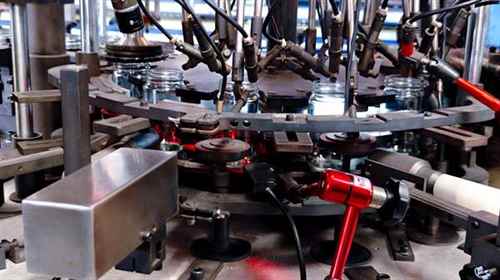
Different glass producers serve very different operational models. When building your shortlist, align the supplier's structure with your volume and customization needs:
| Supplier Tier | Typical Profile (Examples) | Best Fit For | Key Questions to Clarify |
| Agile Export & Custom Specialists | Creative Package (China) | Custom colors, sprayed/frosted finishes, flexible MOQs (e.g., 5,000+ pcs), and turnkey jar + lid sourcing. | Confirm exact thermal shock test parameters for your wax pour temp and pre-shipment drop-test packaging. |
| Specialty Spirits & Cosmetic Glassmakers | Stoelzle Glass Group (Austria) | Ultra-high-clarity flint glass, heavy luxury bases, and bespoke European tooling. | Verify willingness to run home fragrance lines alongside spirits/cosmetics and check mold amortization costs. |
| Global Mass-Market Container Groups | O-I Glass (US), Ardagh (Luxembourg), Verallia (France), Vidrala (Spain), ?i?ecam (Türkiye) | High-volume, standard clear/amber stock shapes running hundreds of thousands of units per run. | Confirm minimum run thresholds (often truckload/container minimums) and whether external decoration must be outsourced. |
5. How Creative Package Supports Candle & Home Fragrance Brands
At Creative Package, we help candle makers and home fragrance brands bridge the gap between custom shelf appeal and industrial glass reliability. Operating dedicated glass manufacturing and finishing lines, we support both custom mold development and ready-to-customize vessel silhouettes.
- Flexible Run Sizes & Clear Timelines: Standard production runs start at an MOQ of 5,000 pieces, with typical production windows of 7 days for smaller batches (5,000–10,000 pcs) and 20 days for mid-volume orders (10,000–50,000 pcs), backed by a monthly capacity of 500,000 units.
- Full Surface Finishing: In-house capabilities include exterior color spraying, frosting, silk-screen printing, hot stamping, and electroplating, paired with custom-fitted wooden, metal, or glass lids.
- Documented Quality Control: Production facilities operate under ISO 9001 standards with FDA and CE compliance, model-specific third-party testing (lead/cadmium screening, thermal shock validation, and 100% airtightness checks), and export-ready divider/foam carton drop testing.
- Transparent Export Terms: Orders are supported with pre-shipment inspection reports under FOB, CIF, or EXW terms (standard 30% T/T deposit, 70% balance against copy of B/L) and dedicated remote technical support.
Frequently Asked Questions
What is a standard MOQ for custom-decorated glass candle jars? For customized color spraying, frosting, or logo printing on existing vessel molds, minimum order quantities typically start around 5,000 pieces. Custom private-mold development generally requires higher initial volumes to amortize tooling costs.
How do I prevent candle jars from cracking when pouring hot wax? Cracking during pouring is almost always an annealing or thermal shock issue. Specify your exact wax pour temperature upfront, verify that the factory runs thermal shock testing (sudden hot-to-cold water immersion tests), and pre-warm your jars slightly on cold filling days.
Can I use standard food-jar suppliers for candle vessels? Yes, and it is often an advantage. Glass plants that supply food and beverage industries (such as coffee or jam jars) already enforce strict wall-thickness tolerances, automated inline optical inspection, and documented batch traceability—all of which directly benefit candle safety.
How are glass jars protected against breakage during ocean freight? Export-grade candle jars should never ship loose in bulk cartons. Require partitioned corrugated dividers, protective foam or poly-bags for decorated finishes, and pre-shipment carton drop testing (ISTA standards) to verify pallet stability before container loading.
Need a specification-matched quote or physical samples for your next candle collection? Share your target fill weight, vessel dimensions, finish requirements, and destination market with the Creative Package engineering team to request our latest glass catalog and sample kit.