Glass Jar Testing: Seal Integrity and Thermal Shock Parameters Buyers Should Know
When sourcing glass jars, buyers often focus on size, shape, capacity and appearance. But for food, beverage, candle and household packaging, the jar also needs to perform well after filling, sealing, transport and storage.
Two areas deserve particular attention: seal integrity and thermal shock resistance. Instead of simply asking for a “leak-proof” or “heat-resistant” glass jar, buyers should define the tests and requirements behind these claims.
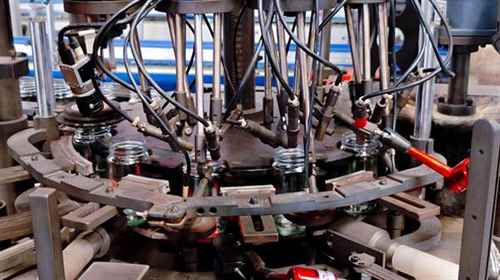
Why Glass Jar Testing Matters
A glass jar can look perfect and still cause problems during production or distribution.
Common issues include:
- Leakage caused by poor closure fit or incorrect cap torque
- Cracks caused by sudden temperature changes
- Breakage during transportation
- Chips or defects around the rim and sealing area
- Food-contact concerns related to coatings, inks or metal components
For this reason, a glass jar specification should cover more than dimensions and capacity. Testing requirements should also be agreed before mass production.
1. Seal Integrity and Airtightness
For jars used with screw caps, twist-off lids or other closures, the seal is an important part of the packaging system.
A proper seal helps protect the contents from leakage, contamination and loss of product quality during storage and transportation.
When evaluating a glass jar with lid, buyers should check:
- Jar mouth and neck finish
- Lid type and compatibility
- Sealing liner or gasket
- Cap torque requirements
- Airtightness testing
- Closure consistency between batches
Airtightness testing is particularly useful because it evaluates the finished jar-and-closure combination rather than the glass body alone.
For purchase specifications, it is better to define the test method and inspection coverage than simply write “leak-proof.”
2. Cap Torque and Closure Compatibility
The glass jar and lid need to work as one packaging system.
If the closure is too loose, the package may leak. If it is over-tightened, the liner or sealing area may become distorted and affect sealing performance.
The required torque can vary depending on the closure design, jar finish and application.
For example, a food jar with a twist-off metal lid may have different requirements from a cosmetic cream jar with a screw cap.
Before production, buyers should confirm:
- Closure type
- Neck finish
- Liner material
- Torque range
- Filling and capping equipment
- Storage conditions
These details are especially important when a new jar is introduced to an existing filling line.
3. Thermal Shock Resistance
Thermal shock is another important consideration for glass packaging.
A sudden temperature change can create stress inside the glass. If the temperature difference is beyond the container's tolerance, cracking or breakage may occur.
This can become an issue in applications such as:
- Hot-filled honey and jam
- Sauces and food products
- Refrigerated products
- Glass containers exposed to rapid heating or cooling
- Candle jars exposed to repeated heat during use
Rather than describing a jar simply as “heat resistant,” buyers should provide the actual temperature conditions the container will experience.
For example, the supplier may need to know:
- Filling temperature
- Cooling temperature
- Refrigerated storage temperature
- Heating or reheating conditions
- Expected temperature changes during handling
The thermal shock requirement should then be evaluated against the intended application.
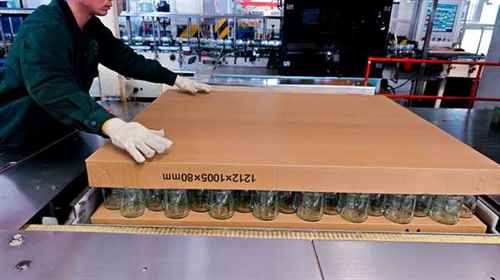
4. Transportation and Drop Testing
A glass jar can pass production inspection and still arrive damaged if the packaging configuration is not suitable for transportation.
The drop test should therefore consider the complete shipping package, including:
- Carton structure
- Dividers
- Foam or cushioning
- Individual compartments
- Number of jars per carton
- Stacking arrangement
This is particularly important for glass jars shipped internationally, where containers may experience repeated loading, unloading and handling.
If the carton design changes, the previous transportation test may no longer represent the actual shipment configuration.
5. Food-Contact and Heavy Metal Testing
For food packaging, mechanical performance is only part of the quality assessment.
Buyers should also consider the materials that come into contact with the product, including:
- Glass surface
- Coatings
- Printing inks
- Lids
- Liners
- Other food-contact components
Depending on the application and destination market, suppliers may be required to provide relevant food-contact documentation or test reports.
For jars used with acidic, oily or hot products, this becomes particularly important because the packaging may remain in contact with the product for an extended period.
The exact compliance requirements should be confirmed according to the destination market and intended use.
6. What Should Be Included in a Glass Jar Specification?
A practical purchase specification can include the following information:
| Item | What Buyers Should Confirm |
|---|---|
| Jar dimensions | Height, diameter, mouth size |
| Capacity | Nominal and fill volume |
| Glass type | Clear, amber, green or other required glass |
| Neck finish | Compatible with the selected closure |
| Closure | Lid, cap, liner or gasket type |
| Seal performance | Airtightness / leakage requirements |
| Torque | Applicable torque range |
| Thermal performance | Required temperature conditions |
| Transportation | Carton and drop-test requirements |
| Food contact | Required declarations and test reports |
| Inspection | Sampling method and acceptance criteria |
The more specific the specification is, the easier it is for both the buyer and supplier to evaluate the same standard.
7. Testing Should Match the Application
Not every glass jar needs exactly the same testing priorities.
Honey and Jam Jars
Hot filling and cooling can place additional thermal stress on the container. Seal performance is also important because these products may be stored for long periods.
Sauce and Food Jars
The combination of filling temperature, acidity and storage conditions should be considered when selecting the glass jar and closure system.
Candle Glass Jars
Thermal performance becomes more important because the container is exposed to sustained heat during use. Wall thickness and jar geometry should also be considered.
Spice and Storage Jars
For smaller jars, the closure and sealing system often become the main focus. Buyers should check the mouth finish, lid compatibility and sealing performance.
Coffee Jars
A reliable closure is important for protecting the product during storage. Airtightness and closure compatibility should therefore be considered together.
8. When Should Buyers Agree on Testing Requirements?
Testing requirements should be discussed before mass production, not after the goods have been manufactured.
A practical process is:
Application → Jar Design → Closure Selection → Test Requirements → Sample Approval → Production → Inspection → Shipment
At the sample stage, buyers can confirm whether the jar works with the intended filling, capping and packaging process.
This also gives both sides a clear reference for later production batches.

9. A Practical Checklist for Glass Jar Buyers
Before placing a bulk order, buyers can confirm the following:
- Is the jar suitable for the intended product?
- Does the neck finish match the selected lid?
- Has the complete closure system been tested?
- Are airtightness requirements clearly defined?
- Is the required thermal condition known?
- Has the packed configuration been considered for transportation?
- Are food-contact documents available where required?
- Are inspection standards agreed before production?
- Can the supplier provide consistent testing records for repeat orders?
These questions are more useful than simply asking whether a supplier's glass jars are “high quality.”
Conclusion
For glass jar sourcing, testing should be connected to the actual application.
Seal integrity helps control leakage and closure performance. Thermal shock testing helps determine whether the container can handle sudden temperature changes. Transportation testing, closure compatibility and food-contact documentation complete the quality picture.
For buyers of glass food jars, honey jars, jam jars, spice jars, coffee jars and candle glass jars, defining these requirements before production can reduce filling-line problems, transportation losses and quality disputes later.
Creative Packaging Technology provides glass packaging solutions for different food, beverage, household and personal care applications, with jar shapes, capacities, closures and packaging configurations available according to project requirements.