Aluminum Can Sourcing: What Buyers Should Check Before Production
Buying aluminum cans is rarely just a matter of choosing a size and asking for a price. The can has to match the filling process, closure, product, printing requirements and expected production volume before an order can move into production.
For beverage, coffee, beer, juice and other packaged products, a few details are worth confirming early. A mismatch in the can body, end, inner coating or sealing system can create problems after the cans have already been produced.
This guide covers the main points buyers should check before approving an aluminum can order.
Start With the Finished Product
The first step is to define what the can needs to do.
Before contacting a supplier, confirm:
- Product type
- Fill volume
- Can diameter and height
- Can body format
- End or lid type
- Filling method
- Decoration requirements
- Expected order quantity
- Target market
A 250 ml beverage can, a 330 ml beer can and a specialty coffee can may all fall under aluminum packaging, but they do not necessarily use the same specifications.
Starting with the finished product makes supplier quotations easier to compare.
Choose the Right Can Format
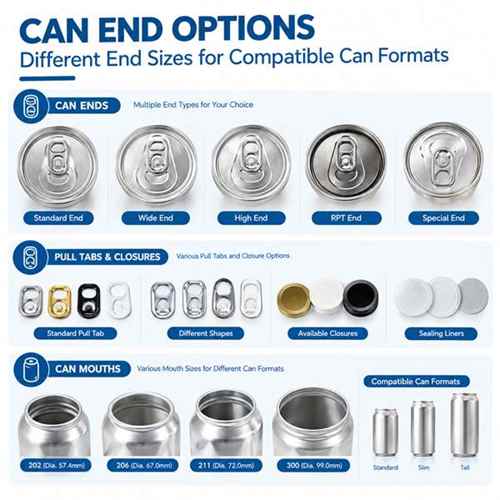
Aluminum beverage cans are available in different formats, including standard, sleek and slim designs.
The choice affects more than appearance. Can dimensions need to work with the filling line, packaging equipment, secondary packaging and shipping requirements.
For buyers developing a new beverage package, it is useful to confirm the complete dimensional specification before artwork or tooling is finalized.
The same applies to specialty formats. Coffee, functional beverages, juice and other products may require a different combination of capacity, opening and closure.
Check the Inner Coating
The inside of an aluminum can is just as important as the outside.
The inner coating separates the product from the aluminum surface and needs to remain stable during filling, storage and transportation.
Before production, buyers should confirm:
- Inner coating type
- Food-contact suitability
- Coating adhesion
- Compatibility with the product
- Applicable temperature conditions
- Testing and inspection method
This becomes especially important for products with acidic, oily, carbonated or other challenging formulations.
A can may look perfect from the outside while an unsuitable internal coating creates problems later. The coating specification should therefore be part of the purchase specification rather than an assumption based on the can format.
Match the Can Body With the End
The can body and end work as one packaging system.
The end needs to match the can opening and the filling and seaming process. For beverage packaging, the sealing performance of this connection is critical because a small problem can result in leakage, loss of carbonation or product contamination.
When sourcing cans, ask the supplier to confirm:
- End type
- Opening size
- Can-end compatibility
- Seaming requirements
- Seal inspection method
- Leak testing procedure
Do not evaluate the can body separately from the end.
Consider the Filling and Seaming Process
A can that works in one production line may not be suitable for another.
Filling speed, seaming equipment, product pressure and production conditions can all affect the packaging specification.
For carbonated beverages and beer, for example, seal integrity is particularly important because the package needs to withstand internal pressure.
Before ordering, buyers should provide the supplier with relevant filling and seaming information where available. This allows the can specification to be checked against the actual production process.
Define the Printing Requirements Early
For many beverage brands, the can is also the primary printed packaging surface.
Decoration options can include:
- Full-body printing
- Matte or glossy finishes
- Special-effect inks
- Logo printing
- Surface treatments
- Shrink sleeves or additional decoration
Artwork should not be treated as the final step.
The printing method can affect colour reproduction, surface appearance and production scheduling. Buyers should confirm the printable area, artwork requirements, colour specifications and sample approval process before mass production.
For a new product launch, approving a physical printed sample is often more useful than relying only on a digital rendering.
Sample Approval Before Mass Production
A sample provides an opportunity to check the actual packaging before committing to the full order.
Depending on the project, buyers may review:
- Can dimensions
- Surface finish
- Printing quality
- Colour accuracy
- Opening and end configuration
- Coating appearance
- Closure fit
- Packaging condition
The sample should represent the intended production specification as closely as possible.
If a change is made after sample approval, the updated specification should be confirmed again before production starts.
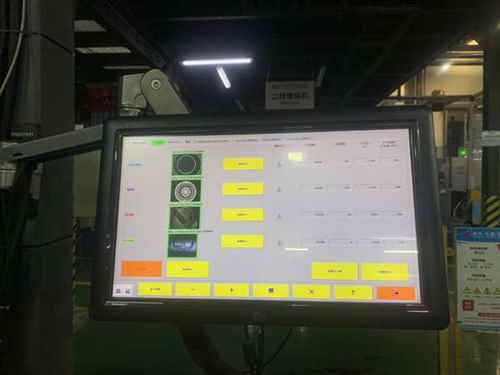
Leak Testing and Quality Inspection
Leakage is one of the easiest problems to understand and one of the most expensive to discover after shipment.
A proper inspection plan should define how the supplier checks can integrity before the goods leave the factory.
Depending on the project, inspection may cover:
- Airtightness
- Seal integrity
- Can dimensions
- Printing defects
- Coating condition
- Surface damage
- End and opening condition
Buyers should also confirm whether testing is performed on every unit or according to a sampling plan.
The important point is not simply whether a supplier says the cans are “leak-proof.” The buyer should know how the result is measured and what happens when a batch does not meet the agreed standard.
Order Quantity and Production Planning
Once the technical specification is fixed, commercial terms become much easier to evaluate.
MOQ can affect the overall economics of an aluminum can project, particularly when custom printing or special formats are involved.
Before placing an order, confirm:
- Minimum order quantity
- Production lead time
- Packaging method
- Shipping terms
- Inspection timing
- Payment schedule
- Expected repeat-order capacity
A lower unit price does not necessarily mean a lower total packaging cost if the MOQ creates excess inventory or the production schedule does not match the product launch.
Plan for Repeat Orders
The first order is only part of the sourcing decision.
For established beverage and food brands, repeatability can be more important than the initial sample.
A supplier should be able to reproduce the agreed:
- Can dimensions
- Weight
- Coating specification
- Printing appearance
- End configuration
- Packaging method
Buyers should keep the approved sample and specification on file so future orders can be compared against the same reference.
This is particularly useful when artwork, product volume or order quantities change over time.
Aluminum Can Sourcing Checklist
Before approving an aluminum can order, buyers can use the following checklist:
Product
- What will the can contain?
- What is the target fill volume?
- What storage and filling conditions apply?
Can
- What are the diameter, height and capacity?
- Which can format is required?
- Which end or opening is needed?
Interior
- What coating is used?
- Is it suitable for the intended product?
- How is coating adhesion checked?
Production
- Does the can work with the filling and seaming equipment?
- How is leakage tested?
- What inspection standard applies?
Decoration
- What printing method is required?
- Has the artwork been approved?
- Is a physical sample required?
Commercial
- What is the MOQ?
- What is the production lead time?
- Which shipping and payment terms apply?
Repeat Orders
- How will the approved specification be maintained?
- Can the supplier support the expected future volume?
A More Practical Way to Compare Aluminum Can Suppliers
When comparing several suppliers, price should not be the first column in the evaluation sheet.
A better approach is to compare suppliers against the same technical specification.
For example:
| Item | What to Confirm |
|---|---|
| Can format | Standard, sleek, slim or specialty |
| Capacity | Target fill volume |
| Can dimensions | Diameter and height |
| End | Opening and end specification |
| Inner coating | Material and product compatibility |
| Printing | Method, finish and artwork requirements |
| Quality | Dimensional, visual and leak inspection |
| Sampling | Physical sample and approval process |
| MOQ | Minimum order for the selected specification |
| Lead time | Production and shipment schedule |
| Repeat orders | Ability to maintain the approved specification |
This makes supplier quotations much easier to compare because every supplier is responding to the same requirements.
Common Mistakes to Avoid
Choosing by price before fixing the specification
Different can formats, coatings and printing methods can produce very different quotations. A low price is not meaningful if the specifications are not the same.
Treating the inner coating as a standard detail
The coating should be matched to the product and application. It should be confirmed before production.
Approving artwork before checking the can
A finished design still needs to work with the actual printable surface and can format.
Skipping the physical sample
A digital rendering cannot show every detail of the actual can surface, printing and finish.
Discussing delivery before confirming production requirements
Lead time depends on the specification, order volume and production schedule. It is better to finalize the technical requirements first.
Conclusion
A successful aluminum can sourcing project starts with a clear specification rather than a price request.
Buyers should first define the can format, capacity, end configuration and product requirements. The inner coating, sealing system and printing method should then be confirmed before sample approval and mass production.
Once the technical requirements are clear, MOQ, lead time, shipping and payment terms become much easier to compare.
For beverage, coffee, beer, juice and specialty packaging, the best aluminum can supplier is not simply the one offering the lowest quotation. It is the supplier that can consistently produce the required can to the same specification from the first order through repeat production.
For Creative Package, aluminum can sourcing can be approached around the complete packaging requirement—from can format and interior protection to printing, sampling and production.