Glass Jar Quality Control: What Buyers Should Check Before Shipment
A glass jar order can meet the agreed size and appearance requirements and still create problems after shipment. Cracked jars, leaking closures, temperature-related breakage and food-contact issues can all lead to rejected goods or production delays.
For buyers, the challenge is not simply knowing these risks. It is deciding which checks should be completed first and what evidence should be available before the goods leave the factory.
A practical glass jar quality-control plan should cover four areas: physical protection, closure performance, temperature resistance and food-contact compliance.
Start With the Risks That Can Affect the Shipment
Not every quality issue is controlled in the same way.
A damaged jar is mainly a packaging and transportation problem. A leaking jar usually points to the closure system. Thermal shock depends on the conditions the glass container experiences during filling, cooling or use. Food-contact safety requires material and compliance testing.
This distinction matters when creating a pre-shipment inspection checklist.
Instead of collecting a long list of certificates, buyers should first identify how the jars will be handled, filled, sealed, packed and transported.
1. Check the Packed Jar, Not Just the Empty Jar
Breakage is one of the most obvious risks with glass packaging.
The glass itself may meet the required dimensions, but poor packing can still result in damaged units during transportation. Jar-to-jar contact, carton movement and pallet handling can all increase the chance of breakage.
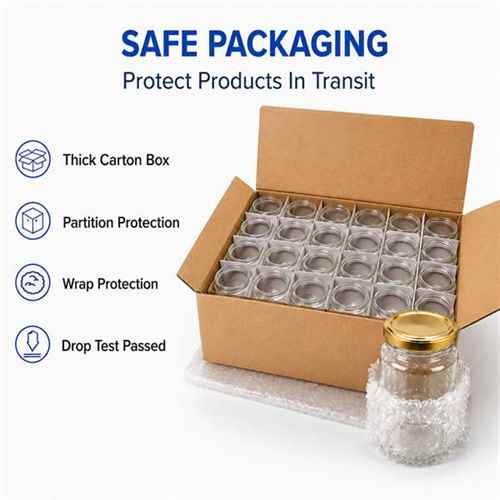
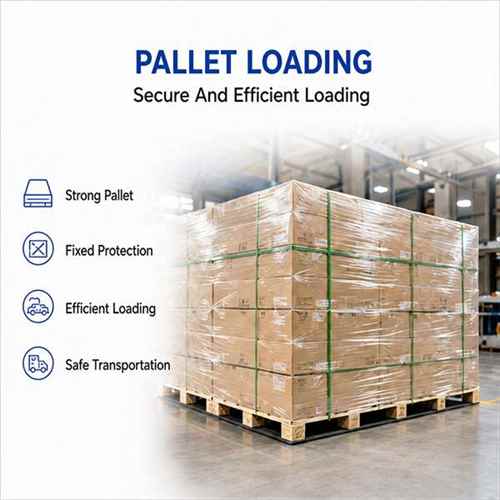
For this reason, buyers should review the complete shipping configuration, including:
- Carton dimensions
- Dividers or partitions
- Foam or other cushioning
- Number of jars per carton
- Pallet arrangement
- Stacking method
A drop test is more useful when it is performed on the actual packed configuration that will be shipped.
For example, a large cylindrical jar and a small hexagonal spice jar should not automatically use the same carton arrangement. Different shapes, weights and capacities can require different protection.
 |  |
|---|
2. Treat the Jar and Lid as One System
A glass jar does not achieve a reliable seal through the glass body alone.
The mouth finish, lid, liner and capping process all contribute to the final result. A jar can look normal during visual inspection and still develop leakage because the closure is not correctly matched.
For food jars, honey jars, jam jars and condiment packaging, buyers should confirm:
- Neck finish
- Lid type
- Liner or gasket material
- Capping method
- Required sealing performance
- Compatibility with the filling line
This is also why a sample should ideally be tested using the same closure and filling conditions planned for mass production.
3. Verify Airtightness Before Shipment
Airtightness is particularly important when the jar is used for food or other products that need protection from leakage and outside contamination.
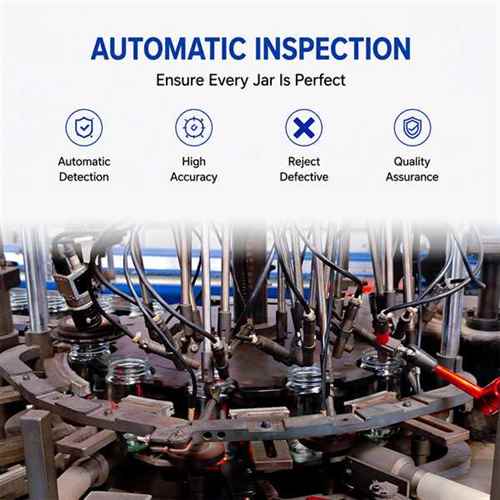
A useful inspection program should clearly define:
- How the airtightness test is performed
- Which units are tested
- Pass/fail criteria
- Test records
- Inspection timing
For a high-volume order, buyers should understand whether the supplier uses unit-level testing, sampling inspection or a combination of both.
The key point is simple: the test method should be agreed before production, rather than being added after a quality problem occurs.
4. Match Thermal Testing to the Actual Application
Thermal resistance should not be treated as a generic feature of every glass jar.
A food jar used for hot filling may experience a very different temperature cycle from a spice jar stored at room temperature. Candle glass jars also have different heat exposure because the container is used alongside a burning wick.
Before approving the specification, buyers should define the expected conditions:
- Filling temperature
- Cooling process
- Storage temperature
- Heating or reheating
- Temperature changes during use
The supplier can then determine whether the selected glass material and jar design are suitable for those conditions.
For candle jars and hot-filled food packaging, thermal testing deserves particular attention before mass production.
5. Food-Contact Compliance Is a Separate Check
Food-contact compliance should not be treated as a substitute for physical inspection.
A jar may pass drop and sealing tests but still require documentation for food-contact applications.
Depending on the destination market and product, buyers may need documentation covering:
- Glass material
- Food-contact components
- Lid or liner materials
- Coatings or printing
- Lead and cadmium testing
- Applicable food-contact standards
The important point is to request documentation that relates to the actual product being purchased, rather than relying only on a general company certificate.
For food packaging projects, the compliance file should be completed alongside the physical quality inspection.
6. Build the Inspection Around the Application
Different glass jar applications naturally have different priorities.
Honey and Jam Jars
The closure and sealing system are especially important. If the product is filled warm, thermal conditions should also be included in the specification.
Sauce and Condiment Jars
Leakage, closure compatibility and food-contact requirements should be checked together. The filling and capping process should be considered before selecting the jar and lid.
Coffee Jars
The closure needs to provide reliable protection during storage and transportation. Airtightness and cap compatibility are therefore important.
Spice Jars
These products often use smaller containers, making carton arrangement and closure consistency important during shipping and filling.
Candle Glass Jars
Thermal performance becomes a more visible concern because the container is exposed to heat during use. Packaging protection is still necessary to prevent transport damage.
7. Agree on the Inspection Standard Before Production
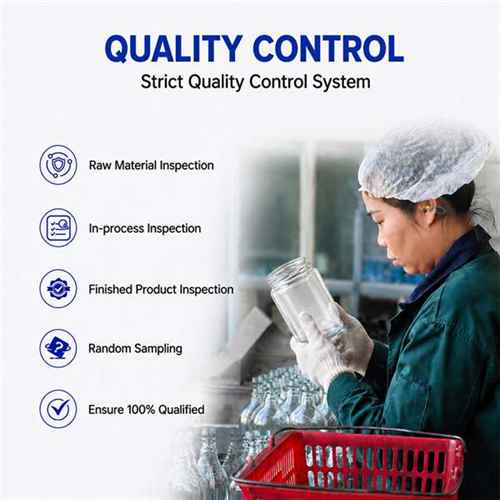
One of the easiest ways to avoid quality disputes is to agree on the inspection criteria before the order enters production.
The purchase specification can define:
Product specification → Closure → Packaging → Testing → Acceptance criteria → Shipment
The inspection plan can then cover:
- Appearance
- Dimensions
- Capacity
- Glass defects
- Closure compatibility
- Seal performance
- Thermal testing where required
- Packaging condition
- Food-contact documentation
If AQL or sampling inspection is used, the inspection items and acceptance criteria should also be agreed in advance.
This gives both sides the same reference when the finished goods are inspected.
8. Keep the Evidence With the Shipment Record
A quality inspection is more useful when the results can be traced back to the actual order.
For repeat glass jar purchases, buyers should keep records such as:
- Approved sample
- Final product specification
- Closure specification
- Packaging configuration
- Inspection report
- Test reports
- Batch information
- Photos of finished packing
This becomes especially useful when the same jar is reordered several times.
If a problem appears later, the buyer can compare the current shipment with the previously approved specification instead of starting the investigation from zero.
A Practical Pre-Shipment Checklist
Before approving a glass jar shipment, buyers can work through the following checklist:
| Check | What to Confirm |
|---|---|
| Product | Size, shape, capacity and glass type |
| Appearance | Cracks, chips, bubbles and visible defects |
| Closure | Lid, liner and neck-finish compatibility |
| Sealing | Airtightness and leakage requirements |
| Thermal performance | Required temperature conditions |
| Packaging | Dividers, cushioning and carton layout |
| Drop testing | Test completed using the shipping configuration |
| Food contact | Required declarations and test reports |
| Inspection | Sampling method and acceptance criteria |
| Records | Final inspection and test documentation |
The purpose is not to make the inspection unnecessarily complicated. It is to make sure that each major failure risk has a corresponding control.
What Buyers Should Ask a Glass Jar Supplier
Instead of asking only whether the supplier can provide “high-quality glass jars,” buyers can ask more specific questions:
- How is the jar protected during transportation?
- Has the actual carton configuration been drop tested?
- Which closure is matched with the jar?
- How is airtightness checked?
- What thermal conditions has the jar been tested for?
- What food-contact documents are available?
- Which inspection standard is used before shipment?
- Can the supplier provide test and inspection records for repeat orders?
These questions usually provide more useful information than a general quality statement.
Conclusion
Glass jar quality control should start with the way the container will actually be used.
Breakage control protects the shipment during handling and transportation. Closure and airtightness checks protect the product after filling. Thermal testing helps confirm suitability for heat-related applications, while food-contact testing and documentation address regulatory requirements.
For buyers sourcing glass food jars, honey jars, jam jars, spice jars, coffee jars and candle glass jars, agreeing on these controls before production can make inspection more straightforward and reduce avoidable quality problems after shipment.
Creative Packaging Technology supplies glass packaging for food, beverage, household and personal care applications, with different jar shapes, capacities, closures and customization options available for B2B packaging projects.