PET Preform OEM: Custom Neck, Weight and Mold Solutions
A custom PET bottle usually starts with the preform.
Before a PET bottle is blow molded, the preform determines the neck finish, material distribution and part of the final bottle weight. When the bottle requires a specific neck, unusual weight, custom color or dedicated mold, an off-the-shelf preform may no longer be enough.
This is where PET preform OEM becomes important.
For beverage, water, edible oil, condiment and personal care packaging projects, buyers need more than a standard preform catalogue. The supplier needs to understand the bottle design, closure, blow-molding process and production requirements, then turn them into a preform that can be produced consistently.
When Do You Need a Custom PET Preform?
Not every PET bottle requires a new preform design. Standard preforms can work well when the bottle uses an established neck finish and a common weight range.
Custom development is usually considered when the project requires:
- A specific neck finish or thread
- A customized preform weight
- A special bottle capacity
- A dedicated bottle mould
- Custom colour
- Different material requirements
- A specific closure
- Special packaging or branding requirements
For example, a buyer may already have a bottle mould but find that the available preform does not provide the right material distribution during blow molding. Changing the preform weight or design can help achieve a more suitable bottle structure.
The same applies to custom closures. A nominal neck diameter is not enough. The preform neck must match the actual cap and sealing system.
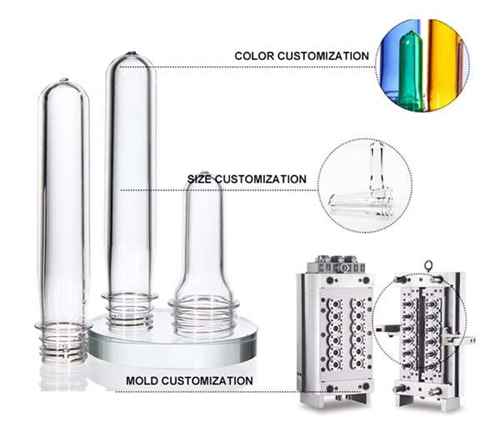
What Can Be Customized?
A PET preform OEM program can cover several parts of the product specification.
Custom Neck Finish
The neck is one of the most important areas of a PET preform because it remains part of the finished bottle after blow molding.
Depending on the application, buyers may require different neck finishes, thread designs or dimensions.
Common options include:
- PCO 1881
- 29/25
- 30/25
- 38mm
- Other customized neck finishes
For a custom project, the supplier should work from a technical drawing rather than a simple description such as “28mm PET preform.”
The drawing should define the neck dimensions and thread details, while the cap sample can be used to confirm actual fit.
Custom Preform Weight
Preform weight affects how much PET material is available during blow molding.
A lighter preform may reduce material consumption, but it also needs to provide sufficient material for the finished bottle. A heavier preform may improve certain performance requirements but can increase resin usage and packaging cost.
The target weight should therefore be considered together with:
- Bottle capacity
- Bottle shape
- Wall thickness
- Blow-molding process
- Top-load requirements
- Pressure requirements
- Filling and transportation conditions
For repeat orders, weight consistency is just as important as the initial target weight.
Custom Color
Clear PET is widely used for water and beverage bottles, but some packaging projects require a different appearance.
Custom PET preforms can be produced in colours such as:
- Clear
- Green
- Blue
- Amber
- Other custom colours
Colour should be approved against a physical sample or agreed colour standard before mass production. This avoids differences between the approved bottle and later production batches.
Custom Mold
A custom bottle design may require a dedicated preform mould or modification of an existing tooling solution.
Before ordering, buyers should clarify whether the project requires:
- An existing standard mold
- Mold modification
- A new mold
- A new cavity arrangement
- A completely customized preform design
The mold drawing and first sample should be approved before mass production.
From Bottle Design to PET Preform
A good OEM project starts with the finished bottle rather than the preform alone.
The basic development process can be:
Bottle Design → Preform Design → Mold Development → Injection Molding → Sample Approval → Blow Trial → Mass Production
At the beginning of the project, the supplier needs enough information to understand how the preform will be used.
Useful information includes:
- Finished bottle capacity
- Bottle drawing
- Neck finish
- Cap specification
- Target preform weight
- Bottle material requirements
- Colour
- Expected annual quantity
- Blow-molding equipment
- Packaging requirements
This information gives the supplier a clearer basis for recommending the preform structure and production method.
Why Preform and Cap Compatibility Matters
The preform neck and cap should be considered together.
Even when two products are both described as 28mm, their thread or neck-finish specifications may be different. A small mismatch can result in poor sealing, incorrect torque or problems on the filling line.
For this reason, custom PET preform projects should include a cap-fit test before mass production.
The test can cover:
- Cap seating
- Thread engagement
- Torque
- Sealing
- Leakage
- Application on the filling line
This is particularly important for high-volume beverage and edible oil packaging, where a small closure problem can create significant production losses.
PET Preform OEM for Different Applications
Custom preforms are used across a wide range of packaging applications.
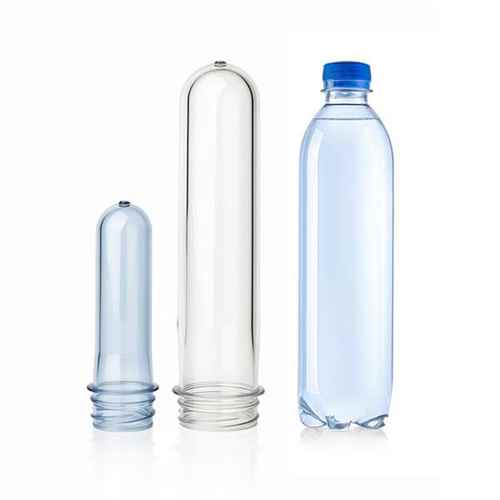
Water Bottle Preforms
Water bottles typically require clear PET, stable neck dimensions and consistent preform weight. The preform design needs to match the bottle capacity and blow-molding process.
Beverage Preforms
Juice, soft drinks and other beverages may require different bottle shapes and closure systems. Preform weight and material distribution should be considered according to the finished bottle design.
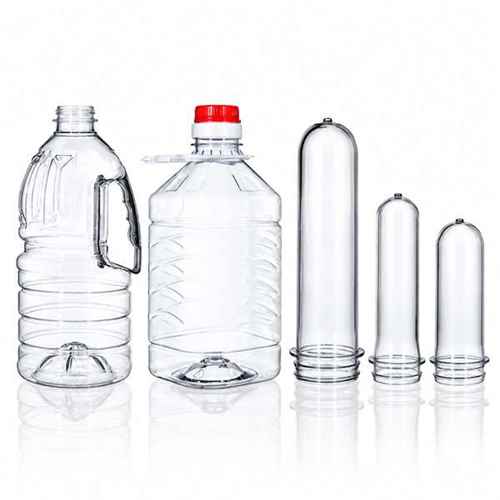
Oil PET Preforms
Edible oil bottles often use lightweight PET designs with specific neck and closure requirements. The preform should be developed around the final bottle structure and filling process.
Condiment Packaging
Sauces, dressings and other liquid condiments may use PET bottles with different shapes and opening sizes. A custom preform can be developed to suit the bottle and closure.
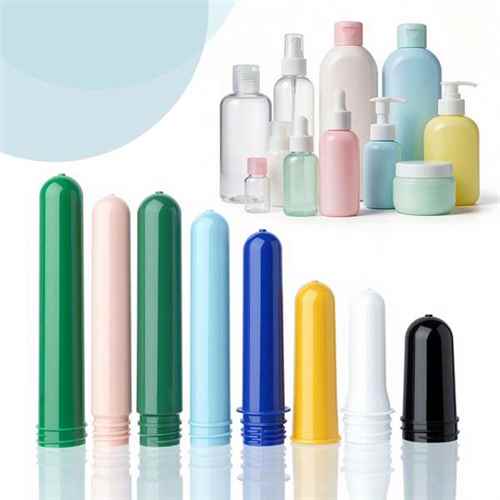
Personal Care Packaging
PET is also commonly used for shampoo, body care, lotion and other daily chemical packaging. For these projects, appearance, transparency, colour and bottle shape can be just as important as structural performance.
 |  |  |
|---|
What Should Buyers Send to an OEM Supplier?
A detailed enquiry can make the quotation and development process much faster.
Instead of sending only “PET preform” or “28mm PET preform,” buyers can provide:
Product
- Bottle capacity
- Preform type
- Target weight
- Neck finish
- Colour
Closure
- Cap type
- Cap drawing
- Cap sample, if available
Bottle
- Bottle drawing
- Bottle mould information
- Blow-molding process
Order
- Initial quantity
- Annual demand
- Destination market
- Packaging requirements
Customization
- New mold or existing mold
- Colour matching
- Logo or packaging requirements
The more complete the initial specification, the easier it is to determine whether an existing preform can be used or whether a custom solution is required.
PET Preform OEM Production Capacity
For buyers planning regular supply, development capability is only part of the evaluation. Production capacity and delivery also need to be considered.
Creative Package works with PET preform manufacturing capabilities covering customized neck sizes, weights, colours and molds for different bottle applications.
For larger projects, buyers should confirm:
- MOQ
- Monthly production capacity
- Sample lead time
- Mold development time
- Mass-production lead time
- Inspection process
- Packaging method
- Shipping terms
A custom preform program should be evaluated as a long-term supply project rather than a one-time sample purchase.
PET Preform OEM: A Practical Buyer Checklist
Before approving a custom preform, check the following:
Neck
- Neck finish confirmed
- Thread drawing approved
- Cap compatibility tested
Preform
- Weight confirmed
- Material confirmed
- Colour approved
- Dimensions checked
Mold
- Existing or new mold confirmed
- Mold responsibility defined
- First sample approved
Production
- Blow trial completed
- Weight tolerance agreed
- Quality inspection defined
- Packaging approved
Commercial
- MOQ confirmed
- Lead time confirmed
- Annual volume estimated
- Shipping terms agreed
This simple checklist can prevent many of the problems that appear after mass production has already started.
FAQ
What can be customized on a PET preform?
Depending on the project, customization can include neck finish, weight, colour, mold, packaging and other product specifications.
Can I order a custom 28mm PET preform?
Yes. However, the buyer should provide the exact neck-finish drawing and cap specification rather than relying on the 28mm diameter alone.
How is a custom PET preform developed?
The process generally starts with the finished bottle design, followed by preform design, mold development, injection molding, sample approval and blow-molding testing.
Can PET preforms be customized for edible oil bottles?
Yes. Oil PET preforms can be developed according to bottle capacity, neck finish, weight, closure and filling requirements.
Do I need a new mold for a custom PET preform?
Not necessarily. Some projects can use an existing preform mold, while others require mold modification or new tooling. The requirement depends on the neck finish, weight and bottle design.
What information should I provide for a PET preform quotation?
A bottle drawing, neck finish, target weight, bottle capacity, colour, cap specification, quantity and destination are a good starting point. If a custom mold is required, include the bottle and preform drawings as well.
Conclusion
A successful PET preform OEM project is not simply about producing a plastic preform. It is about connecting the preform with the bottle, cap, mould and production line.
For buyers developing a new bottle or looking for a more suitable preform supplier, the key questions are straightforward: Can the neck be matched to the closure? Can the weight be controlled consistently? Can the mold be developed to the required specification? And can the same preform be supplied reliably after the first order?
With the right specifications in place, custom PET preforms can support a wide range of water, beverage, edible oil, condiment and personal care packaging projects.
Creative Package provides packaging solutions for buyers looking for standard and customized PET preforms, with options for different neck finishes, weights, colours and mold requirements.
Request a Custom PET Preform
Send your bottle drawing, neck finish, target weight, colour, cap specification and expected quantity to discuss a suitable PET preform solution.
Creative Package can review the project requirements and recommend the appropriate OEM or customized preform route.