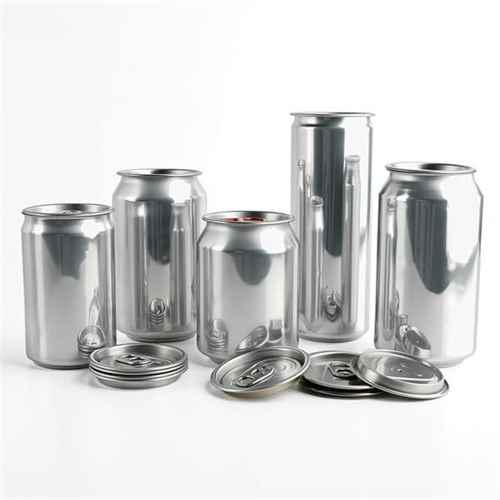
Aluminum Can Packaging Upgrade: Unlocks the Five Core Values of Premium Beverage Cans
Anhui Creative Package Technology, a leading integrated packaging solution provider, recently upgraded its aluminum can packaging and unlocked five core values of premium beverage cans. Covering flavor preservation with professional barrier technology, sturdy and user-friendly structural safety, diverse specifications with customizable aluminum lids, low-carbon lightweight and infinite recyclability, as well as reliable supply chain synergy with stable capacity and rapid response, the upgrade redefines superior beverage aluminum packaging standards, providing global food and beverage brands with reliable, innovative and eco-friendly metal packaging solutions.
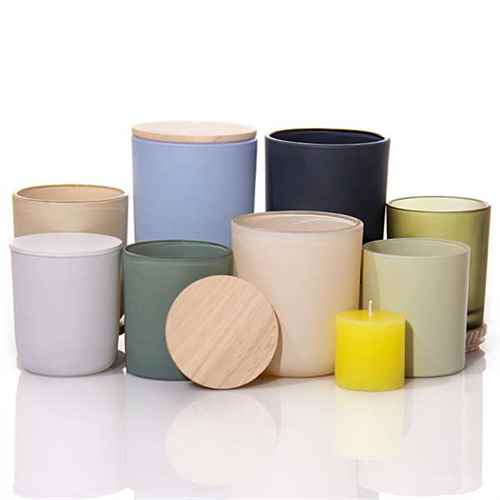
Color Psychology in Product Packaging: Creating a Multi-Sensory Journey
Product packaging should engage the senses. Shoppers often make buying choices in just 2.5 seconds, relying on instinct whether they’re browsing in a store or online. Given this brief focus, visual elements become crucial: What colors, materials, and textures distinguish one item from another? What emotions does the packaging evoke?
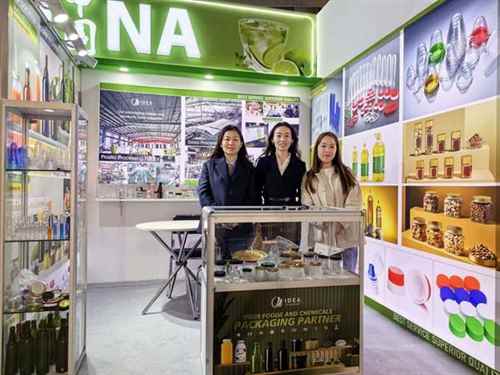
Creative Package Achieves Strong Results at Spain International Packaging Exhibition
Hefei, Anhui – Anhui Creative Packaging Technology Co., Ltd. (Creative Package), a leading provider of integrated packaging solutions for global food, beverage and daily chemical industries, has successfully concluded its participation in a major international packaging exhibition in Spaincreative-package.com. The event served as a key platform to connect with buyers, distributors and brand owners across Europe and beyond.
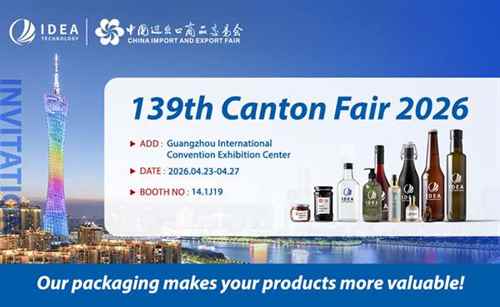
Creative Package Group to Showcase Full-Spectrum Packaging Solutions at the 139th Canton Fair 2026
Hefei, Anhui – March 26, 2026 – Creative Package Group (Anhui Creative Packaging Technology Co., Ltd.), a trusted global provider of food, beverage and daily chemical packaging solutions, is pleased to announce its participation in the 139th Canton Fair 2026 to be held in Guangzhou from April 23 to 27. The company will display its upgraded product lineup at Booth No. 14.1J19 (Guangzhou Canton Fair Complex), welcoming worldwide buyers, brand owners and partners to visit, negotiate and cooperate.

Turning Browsers into Buyers with Attractive Packaging: A Marketing Handbook
We’re told not to judge a book by its cover, yet that’s precisely how shoppers assess products. In less than seven seconds, they form an initial opinion — and up to 90% of that quick take comes from color and overall visual design.
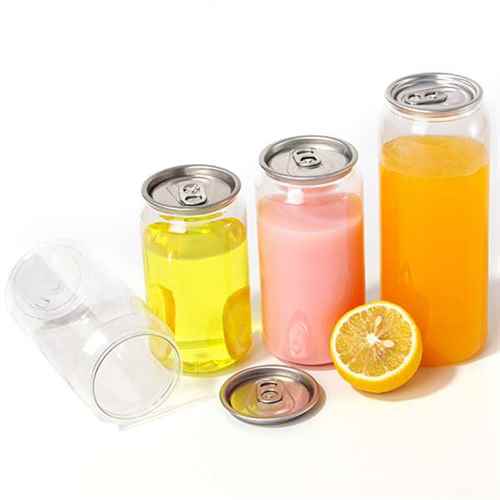
Why Plastic Can Needs Easy-Open Lid
Plastic wide-mouth containers often create confusion — people frequently mix up plastic cans with cosmetic jars, and it’s understandable. At a glance, both share a similar look: a cylindrical form with a broad opening. Look a little closer, though, and the differences become clear — and they’re anything but random. Each design choice reflects specific goals around performance, compliance, and usability, tailored to the demands of different sectors.

Creative Package Technology Launches 2026 with Unwavering Customer-Centric Commitment and Enhanced Global Value Delivery
With a clear vision, aligned team, and customer-first mindset, Creative Package enters 2026 fully equipped to navigate global market opportunities, innovate with purpose, and solidify its reputation as a reliable, value-driven partner for businesses worldwide.?
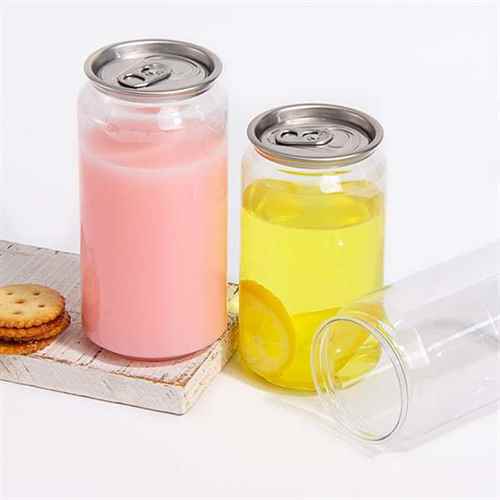
Creative Package is setting a new worldwide benchmark for PET can manufacturing — well beyond mere production.
In the pressure-cooker landscape of FMCG, packaging logistics quietly do the heavy lifting. For drink makers, picking a packaging partner isn’t a routine procurement task — it’s a strategic move that shapes product integrity, on-shelf impact, and launch velocity. With the beverage sector shifting from legacy substrates to clearer, more adaptable formats, Creative Package stands out as more than a vendor — it’s an end-to-end solutions partner. This piece opens the factory doors to a best-in-class PET can operation and explains why leading brands place their most valuable liquids on our lines.
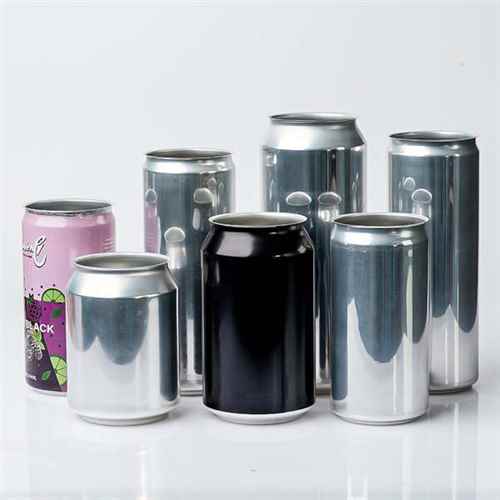
Aluminum Can Wine: The Eco-Friendly Choice Transforming Your Celebrations in 2026
Wine enthusiasts have historically valued the tradition of opening a glass bottle. Yet, in 2025, aluminum cans are disrupting this custom by introducing exceptional convenience and sustainability. These lightweight and recyclable containers are ideal for outdoor activities like picnics and beach outings, providing easy single servings without the complications of traditional bottles. With a growing focus on eco-friendliness, canned wine is rapidly gaining traction, anticipated to expand at a CAGR of 17.9% until 2033, according to Market Data Forecast. This extensive blog post explores the rise of canned wine, its advantages, top suggestions, and its transformative impact on environmentally-conscious consumers.