PET Preform Selection: How to Match the Preform to Your Bottle
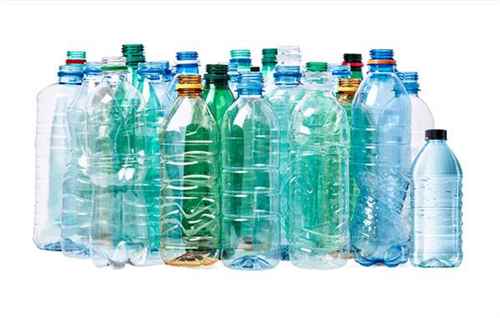
A PET preform is only a small part of the finished bottle, but it has a direct influence on the bottle's strength, weight, neck fit and production performance.
For buyers, choosing a PET preform should therefore start with the finished bottle, not with a catalogue list of preform sizes.
A preform that works well for a 500 ml water bottle may not be suitable for edible oil, juice or a wide-mouth food container. The neck finish, gram weight, material and bottle design all need to work together.
Start With the Finished Bottle
Before selecting a PET preform, define the bottle you want to produce.
The key information usually includes:
- Bottle capacity
- Bottle shape and dimensions
- Neck finish
- Target bottle weight
- Product type
- Filling method
- Storage and transportation conditions
- Required appearance
- Target production volume
Once these points are clear, the preform can be selected or developed around the bottle.
This approach is particularly useful when the project involves a custom bottle rather than a standard water bottle format.
1. Neck Finish Comes First
The neck is one of the most important parts of a PET preform because it determines how the finished bottle connects with its cap and filling equipment.
Common neck formats include PCO 1881, 29/25, 30/25 and 38mm, depending on the application.
The neck finish affects:
- Cap compatibility
- Capping performance
- Sealing
- Filling-line compatibility
- Finished bottle appearance
A small dimensional difference at the neck can create problems later in the capping process.
For this reason, the preform and cap should be treated as a matched system. Buyers should confirm the neck drawing, tolerance and cap specification before approving the preform.
2. Preform Weight Should Follow Bottle Performance
Preform weight is not simply a number used for pricing.
It affects how much PET material is available when the preform is stretched and blown into the final bottle.
If the preform is too light, the finished bottle may not provide enough strength for filling, stacking or transportation. If it is unnecessarily heavy, material costs increase without providing a useful performance benefit.
The right gram weight depends on factors such as:
- Bottle volume
- Bottle geometry
- Required wall distribution
- Top-load requirements
- Product density
- Filling method
- Transportation conditions
For a custom bottle, the target preform weight should be determined together with the bottle design rather than selected independently.
3. Bottle Shape Changes the Preform Requirement
Two bottles with the same capacity may require different preforms.
A simple cylindrical bottle may distribute PET differently from a square or contoured bottle. A lightweight bottle may also require a different preform design from a heavier bottle intended for repeated handling.
This is where bottle development and preform development need to work together.
The basic relationship is:
Bottle design → Preform design → Blow molding → Performance testing
If the preform is selected only by capacity, the final bottle may not achieve the expected material distribution.
4. Material Choice Depends on the Product
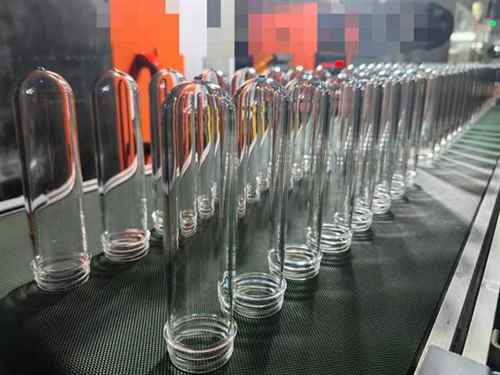
PET resin selection should reflect the intended application.
For food and beverage packaging, buyers commonly need food-contact PET with appropriate documentation for the destination market.
Applications may include:
Bottled Water
Water bottles often prioritize lightweight construction, clarity and efficient high-volume production.
Juice and Beverages
Juice and other beverages may require different bottle strength and material distribution depending on bottle shape, filling conditions and storage.
Edible Oil
Oil bottles can have different weight and handling requirements from water bottles. Product contact conditions should also be reviewed before selecting the resin and preform.
Wide-Mouth Food Packaging
Food containers with wider openings may use a different neck finish and preform design from conventional beverage bottles.
Personal Care Packaging
Cosmetic and personal care bottles often place more emphasis on appearance, transparency, color and compatibility with the selected closure.
The same PET resin category cannot automatically be treated as suitable for every application.
5. Clear, Colored or Recycled PET?
Appearance requirements should also be defined before production.
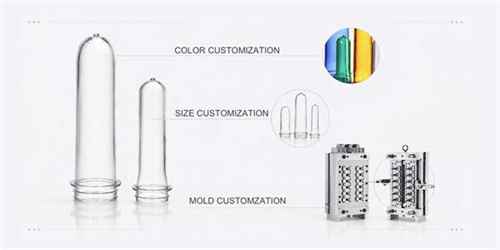
Clear PET is widely used when product visibility is important. Custom colors can be developed when the bottle is part of a brand's visual identity.
For projects involving recycled PET, buyers should separately confirm:
- Recycled content percentage
- Material source
- Food-contact suitability where applicable
- Required documentation
- Color and appearance consistency
The material decision should be made together with the destination market and product requirements.
6. When Is a Custom PET Preform Necessary?
A standard preform may be enough when the bottle uses a common neck finish and a conventional bottle design.
Custom development becomes more useful when the project involves:
- Non-standard neck dimensions
- Unusual bottle shapes
- Specific bottle weight targets
- Special color requirements
- Wide-mouth packaging
- Custom closure systems
- Lightweighting projects
- A new bottle requiring dedicated tooling
In these situations, modifying the preform around the bottle can be more practical than forcing the bottle design to fit an existing preform.
7. Mold Design Affects Long-Term Consistency
For a custom PET preform, the mold is more than a tooling cost.
It affects cavity consistency, neck dimensions, weight distribution and production stability.
Before approving custom tooling, buyers should clarify:
- Mold design scope
- Number of cavities
- Neck finish dimensions
- Target preform weight
- Material flow requirements
- Trial and sampling process
- Revision procedure
A good tooling plan should consider not only whether the first samples look correct, but whether the same specification can be maintained during repeated production.
8. Samples Should Be Tested as Bottles
A preform sample can look correct and still produce an unsatisfactory bottle.
The more useful validation process is to blow the preforms into the intended bottle and evaluate the finished container.
Depending on the application, buyers may check:
- Bottle weight
- Wall distribution
- Transparency
- Dimensions
- Neck fit
- Top-load strength
- Drop performance
- Filling-line compatibility
- Appearance after blowing
This step is particularly important for new or lightweight bottle designs.
The goal is not simply to approve the preform. It is to confirm that the preform can produce the required bottle consistently.
9. Production Consistency Matters More at Scale
A sample only represents a small part of a production run.
For bulk orders, buyers should consider how the supplier controls:
- Preform weight
- Neck dimensions
- Color
- Visual defects
- Cavity-to-cavity consistency
- Resin drying
- Packaging
- Batch identification
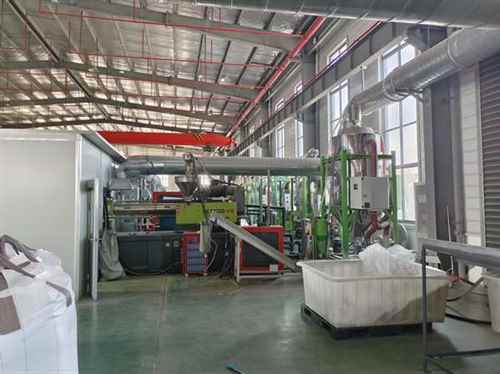
Automatic weight checking and visual inspection can help identify deviations before preforms are packed.
For repeat orders, keeping an approved sample and specification as a reference can also make batch-to-batch comparison easier.
PET Preform Selection Checklist
Before approving a PET preform, buyers can confirm the following:
| Item | What to Check |
|---|---|
| Bottle | Capacity, shape and dimensions |
| Neck finish | Size, drawing and cap compatibility |
| Weight | Target gram weight and tolerance |
| Resin | PET grade and food-contact requirements |
| Color | Clear, custom color or recycled appearance |
| Mold | Existing tooling or custom mold |
| Blow test | Finished bottle performance |
| Quality | Weight, neck and visual consistency |
| Packaging | Protection during storage and transport |
| Documentation | Test reports and required compliance files |
This checklist keeps the discussion focused on the final bottle rather than just the preform itself.
What Information Should Buyers Send for a Quote?
A general enquiry such as “Please quote PET preforms” usually leaves too many variables open.
A more useful RFQ can include:
- Bottle capacity
- Bottle drawing or reference image
- Neck finish
- Target preform weight
- Bottle material requirement
- Color
- Application
- Estimated order quantity
- Destination market
- Existing cap specification, if available
If the bottle is still under development, the buyer can also provide the intended bottle concept and ask the supplier to recommend a suitable preform structure.
Conclusion
The right PET preform is the one that works with the entire bottle system.
Neck finish determines closure compatibility. Preform weight affects material distribution and bottle strength. Mold design supports production consistency. Resin and documentation address product and market requirements. Most importantly, the preform should be validated by blowing it into the finished bottle before moving to large-scale production.
For buyers sourcing PET bottle preforms, water bottle preforms, oil PET preforms, wide-mouth food preforms and cosmetic bottle preforms, starting with the finished bottle makes it easier to select the right preform and avoid unnecessary tooling or material changes later.
Creative Packaging Technology provides PET packaging solutions for different bottle applications, including standard and customized preform options for B2B packaging projects.